
Instagram review
 Analysis by GetAllApps
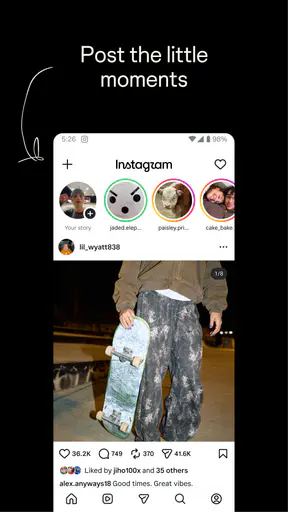
When I open Instagram, I usually have a simple starting point: a photo worth sharing, a quick moment to capture, or a few minutes to catch up with people I follow. The app brings those habits together in one social space, but it also asks me to make choices at every step: what to post, who should see it, and whether I want to browse or create. That mix is the appeal. It can feel like a lively personal scrapbook one minute and a fast-moving stream of other people’s updates the next.
From a small moment to a post
The clearest way to understand Instagram is to follow a typical sharing session from beginning to end. I arrive with an idea, choose a photo or video, shape it into something I’m happy to show, and then decide how to put it in front of friends or followers. The app is built around that loop, with photos, stories, and reels as familiar ways to create and share. Its central promise is straightforward: make everyday moments easy to publish and enjoyable to browse.
That simplicity matters. I don’t need a complicated plan to get started; a snapshot, a short clip, or a quick update is enough. Once I’m in the app, I can move between making something of my own and seeing what others have shared. For anyone searching for a social media app centered on visual posts, the basic appeal is easy to grasp: it gives images and short-form video a natural place in conversations with friends and creators.
Finding the right starting point
My experience begins with a choice between participating and observing. If I have something to share, I can start with a photo or video. If I’m just checking in, I can browse the updates already in front of me and see what has caught my attention. That flexibility makes the app approachable in short visits, while the steady flow of new material can make a quick check-in last longer than intended.
Instagram has been around since April 3, 2012, and its visual-first style has become familiar to a huge audience. It is free to download, is rated for teens, and has grown to more than five billion installs. Those figures signal reach rather than a guarantee that everyone will enjoy the experience. What matters in practice is whether the people I care about use it and whether the kind of content I want to see feels worth returning for.
Creating and shaping a story
When I’m ready to post, the next step is deciding what the moment needs. A still image can feel considered and personal; a short video can carry movement, sound, or a sense of place. Stories offer a more casual way to share a moment, while reels give short videos their own prominent role. I like that these formats give me different levels of polish and permanence in how I present an idea, without forcing every post to feel like a major announcement.
The creative process is most satisfying when I know what I’m trying to communicate. A photo of a meal, a view from a walk, or a small celebration can stand on its own, while a caption can add context or personality. I find it helps to pause before sharing and ask whether the image is clear, whether the words sound like me, and whether the audience makes sense. Those small decisions turn posting from a reflex into a more intentional form of communication.
There is also a social pressure that comes with making something public. It is easy to compare a quick, ordinary update with polished posts from people who spend more time on presentation. I try to treat the app as a place to share moments rather than a test of creativity. That mindset makes it easier to post casually and enjoy the process instead of trying to make every image look perfect.
Choosing an audience and passing the moment along
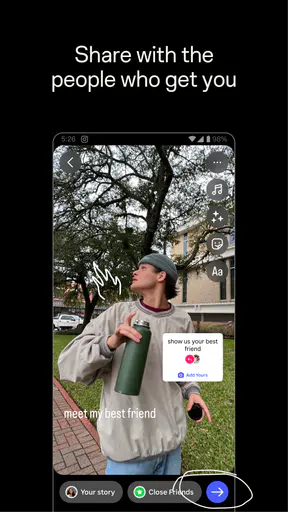
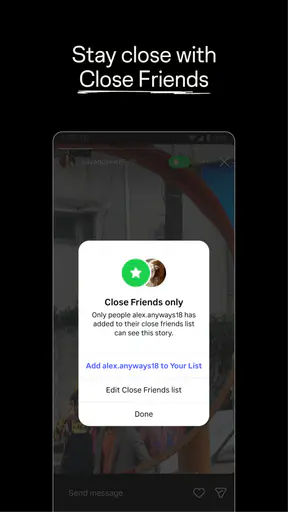
Sharing is not the end of the workflow. The post has to reach someone, and the audience changes how a moment feels. A story might suit a quick update for people who already know me, while a more carefully chosen post can make sense when I want it to be easy to revisit. Instagram’s social purpose comes into focus here: it turns a personal image into something others can respond to, remember, or pass into a broader conversation.
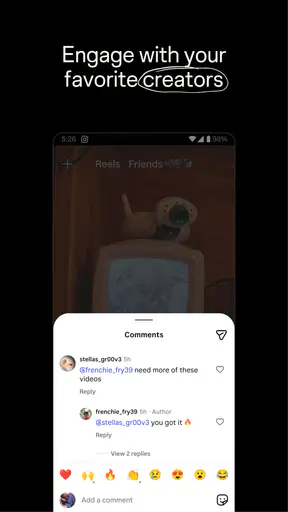
The handoff from creator to viewer is where the app becomes more than a camera or a gallery. Friends can encounter a post while browsing, react to the moment, and bring it back into conversation outside the app. That exchange can feel warm and immediate when the audience is familiar. It can also feel less personal when a post reaches people I didn’t have in mind, so I try to think about visibility before I tap share rather than after.
For creators and businesses, the same handoff can be more deliberate: a post introduces an idea, a viewer discovers it, and attention may lead to a follow or another interaction. That can make Instagram useful for keeping a community engaged, but it also means the experience is not purely private or chronological in spirit. The app is a place where personal expression and public presentation sit close together, and I think it works best when I’m clear about which role I’m using at a given moment.
Browsing becomes part of the loop
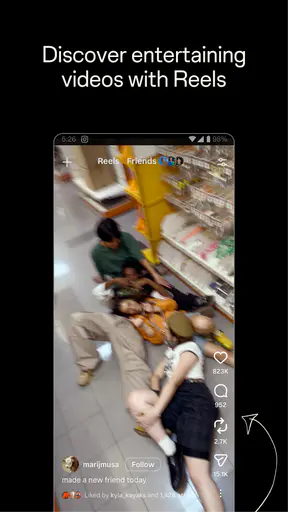
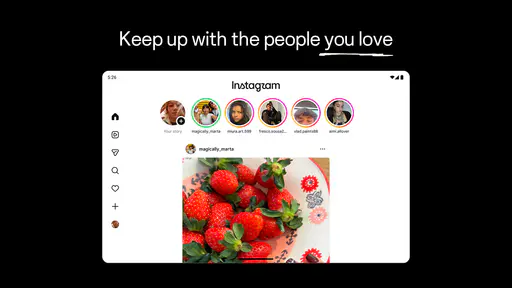
After I share, I often return to browsing. That transition is seamless: one moment I’m choosing what to publish, and the next I’m looking at what friends, creators, and other accounts have posted. Photos provide a quick visual snapshot, stories suit passing updates, and reels make it easy to watch short videos in succession. The variety keeps the experience from feeling like a single endless format, although it can make the app absorbing when I open it without a particular purpose.
Browsing can also give me ideas for my own posts. I might notice a visual style I like, discover a place through someone else’s update, or simply enjoy seeing familiar faces. The best moments feel like natural conversation at a distance: someone shares something, I respond, and the interaction carries on later. In that sense, Instagram is less about one perfect post and more about the repeated rhythm of seeing, sharing, and reacting.
That rhythm is a strength, but it asks me to manage my attention. A short visit can become a long one because there is always another image or video to see. I get more from the app when I enter with a reason—checking a friend’s update, sharing a particular moment, or looking for a specific kind of inspiration—rather than opening it automatically whenever I have a spare second.
Where the experience feels smooth
The strongest part of Instagram is how naturally it joins creation and discovery. I can arrive with a photo, share it in a format that suits the moment, and then see what other people are doing without switching to a completely different kind of app. For casual users, that reduces friction. For people who enjoy visual storytelling, it offers enough variety to make a simple moment feel more expressive.
The scale is hard to ignore: Instagram has an average rating of 4.0 from around 170 million ratings, with roughly 4.5 million written reviews. That broad response suggests a product many people find useful, while the number of opinions also hints at how differently the experience can land. A person who values photos, short videos, and social updates may find it an easy daily companion; someone who prefers quieter, more text-focused interaction may not connect with it as strongly.
I also appreciate that the app can serve different levels of commitment. I can browse without preparing a post, share something quickly, or spend more time shaping a visual update. The range makes it welcoming to both occasional users and people who treat social publishing as a creative outlet. The key is that participation remains optional: a good visit does not have to end with a post of my own.
Where the flow can break
The same openness that makes Instagram engaging can make the experience feel crowded. A social feed brings together many voices, styles, and reasons for posting, so the stream may not always match my mood. If I arrive looking for one friend’s update, the surrounding content can distract me. If I begin browsing with no clear stopping point, the app can absorb more attention than the small task I had in mind.
Another point of friction is the gap between sharing and being understood. A photo that feels obvious to me may need a caption for everyone else, while an audience that seems right in the moment can feel too broad later. I find it useful to take a breath before publishing, especially when a post is personal. That small pause helps me decide whether the moment belongs in a casual story, a more lasting post, or nowhere online at all.
There is also a difference between sharing for friends and sharing for reach. If I’m posting to stay connected, the value comes from the people who respond. If I’m hoping for broad discovery, outcomes can feel less predictable and may encourage me to focus too much on reactions. I prefer to judge a post by whether it says what I wanted it to say, rather than treating every response as a verdict on its quality.
Cost is worth keeping in mind as well. The app is free, but it includes in-app purchases, with listed items ranging from nineteen cents to ten thousand dollars. Those purchases are not necessary to understand the basic social experience, yet the wide range is a reminder to review any purchase carefully before confirming it. For a typical user who wants to share and browse, the central experience remains accessible without treating spending as the point of the app.
Who will get the most from it
Instagram is a strong fit if I want a familiar place to share photos, stories, and reels, follow the lives and interests of others, and keep up with visual conversations. It suits people who enjoy quick updates as much as carefully composed posts, and it can be useful for creators or small businesses trying to maintain a social presence. Its teen content rating also makes it relevant to younger users, though any social app is best approached with thoughtful choices about what to share and with whom.
It may be less appealing if I want a calm, tightly bounded feed or if I have little interest in photos and short videos. The app’s variety is part of its identity, but that variety brings a steady stream of things competing for attention. I would recommend using it with a clear purpose and treating posting as a choice rather than an obligation. That approach makes the experience feel more personal and less like a race to keep up.
My final take
Instagram works because its everyday workflow is easy to understand: begin with a moment, turn it into a photo or video, choose a way to share it, and let it travel into a social circle. Then the process starts again as I browse what others have made. When that loop connects me with friends or gives me a place to express something visually, the app feels lively and genuinely useful.
Its weak spots are tied to the same design strengths. A constant supply of content can pull me away from the reason I opened the app, and sharing can feel awkward if I have not thought through the audience or my expectations. Still, I find Instagram compelling when I use it intentionally: make something because I want to share it, browse because I want to see what others are doing, and step away when the visit has run its course. For a free social app built around visual communication, that balance is what makes it worth trying.
} This is an accidental added ending invalid malformed. Remove. Need output 1500-2000 words? current ~1300. Need likely expand. Must only two strong app name currently two yes. h2 max one, h3 okay. Pure HTML allowed tags. add word content to reach 1500. Need no duplicate figures. current figures unique one each, in same para 2? paragraph "average 4.0 from around 170 million... 4.5 million" three figures violates at most two. Split / remove ratings count or reviews. We can mention only average and rating count in paragraph, exclude reviews count or add separate para with reviews count (each max once). Existing installs paragraph has date, 5B+, age maybe figures 2? date and installs, fine. Price paragraph range two figures. Need spoken figures and don't raw exact count. "April 3, 2012" fact but figures language says every figure way person speaks it. Write "April third, 2012" perhaps. Range "nineteen cents to ten thousand dollars". approx review counts. 1500-2000.When I open Instagram, I usually have a simple starting point: a photo worth sharing, a quick moment to capture, or a few minutes to catch up with people I follow. The app brings those habits together in one social space, but it also asks me to make choices at every step: what to post, who should see it, and whether I want to browse or create. That mix is the appeal. It can feel like a lively personal scrapbook one minute and a fast-moving stream of other people’s updates the next.
From a small moment to a post
The clearest way to understand Instagram is to follow a typical sharing session from beginning to end. I arrive with an idea, choose a photo or video, shape it into something I’m happy to show, and then decide how to put it in front of friends or followers. The app is built around that loop, with photos, stories, and reels as familiar ways to create and share. Its central promise is straightforward: make everyday moments easy to publish and enjoyable to browse.
That simplicity matters. I don’t need a complicated plan to get started; a snapshot, a short clip, or a quick update is enough. Once I’m in the app, I can move between making something of my own and seeing what others have shared. For anyone searching for a social media app centered on visual posts, the basic appeal is easy to grasp: it gives images and short-form video a natural place in conversations with friends and creators.
Finding the right starting point
My experience begins with a choice between participating and observing. If I have something to share, I can start with a photo or video. If I’m just checking in, I can browse the updates already in front of me and see what has caught my attention. That flexibility makes the app approachable in short visits, while the steady flow of new material can make a quick check-in last longer than intended.
Instagram has been around since April third, 2012, and its visual-first style has become familiar to a huge audience. It is free to download, is rated for teens, and has grown to more than five billion installs. Those figures signal reach rather than a guarantee that everyone will enjoy the experience. What matters in practice is whether the people I care about use it and whether the kind of content I want to see feels worth returning for.
Creating and shaping a story
When I’m ready to post, the next step is deciding what the moment needs. A still image can feel considered and personal; a short video can carry movement, sound, or a sense of place. Stories offer a more casual way to share a moment, while reels give short videos their own prominent role. I like that these formats give me different levels of polish and permanence in how I present an idea, without forcing every post to feel like a major announcement.
The creative process is most satisfying when I know what I’m trying to communicate. A photo of a meal, a view from a walk, or a small celebration can stand on its own, while a caption can add context or personality. I find it helps to pause before sharing and ask whether the image is clear, whether the words sound like me, and whether the audience makes sense. Those small decisions turn posting from a reflex into a more intentional form of communication.
There is also a social pressure that comes with making something public. It is easy to compare a quick, ordinary update with polished posts from people who spend more time on presentation. I try to treat the app as a place to share moments rather than a test of creativity. That mindset makes it easier to post casually and enjoy the process instead of trying to make every image look perfect.
For me, a useful post does not have to be elaborate. A picture can preserve a detail I would otherwise forget, while a short video can capture the atmosphere of a moment in a way a still image cannot. The important part is choosing the format that feels natural. If I start spending more time worrying about presentation than enjoying what I’m sharing, I take that as a sign to simplify—or to keep the moment to myself.
Choosing an audience and passing the moment along
Sharing is not the end of the workflow. The post has to reach someone, and the audience changes how a moment feels. A story might suit a quick update for people who already know me, while a more carefully chosen post can make sense when I want it to be easy to revisit. Instagram’s social purpose comes into focus here: it turns a personal image into something others can respond to, remember, or pass into a broader conversation.
The handoff from creator to viewer is where the app becomes more than a camera or a gallery. Friends can encounter a post while browsing, react to the moment, and bring it back into conversation outside the app. That exchange can feel warm and immediate when the audience is familiar. It can also feel less personal when a post reaches people I didn’t have in mind, so I try to think about visibility before I tap share rather than after.
For creators and businesses, the same handoff can be more deliberate: a post introduces an idea, a viewer discovers it, and attention may lead to a follow or another interaction. That can make Instagram useful for keeping a community engaged, but it also means the experience is not purely private or chronological in spirit. The app is a place where personal expression and public presentation sit close together, and I think it works best when I’m clear about which role I’m using at a given moment.
There is a practical side to that handoff, too. A post has to make sense to someone who wasn’t there when the photo was taken. A little context in the caption can help, especially when the image is meaningful to me but not self-explanatory to everyone else. I try to keep that context conversational rather than overexplaining. The goal is to open a door for interaction, not to turn a simple update into a formal announcement.
Browsing becomes part of the loop
After I share, I often return to browsing. That transition is seamless: one moment I’m choosing what to publish, and the next I’m looking at what friends, creators, and other accounts have posted. Photos provide a quick visual snapshot, stories suit passing updates, and reels make it easy to watch short videos in succession. The variety keeps the experience from feeling like a single endless format, although it can make the app absorbing when I open it without a particular purpose.
Browsing can also give me ideas for my own posts. I might notice a visual style I like, discover a place through someone else’s update, or simply enjoy seeing familiar faces. The best moments feel like natural conversation at a distance: someone shares something, I respond, and the interaction carries on later. In that sense, Instagram is less about one perfect post and more about the repeated rhythm of seeing, sharing, and reacting.
That rhythm is a strength, but it asks me to manage my attention. A short visit can become a long one because there is always another image or video to see. I get more from the app when I enter with a reason—checking a friend’s update, sharing a particular moment, or looking for a specific kind of inspiration—rather than opening it automatically whenever I have a spare second.
I also find that browsing works best when I treat it as an active choice. If I want to catch up with people I know, I focus on that instead of trying to see everything. If I’m looking for creative inspiration, I let myself explore but still keep an eye on how the session feels. That small distinction helps me get something from the feed without turning every spare moment into an invitation to scroll.
Where the experience feels smooth
The strongest part of Instagram is how naturally it joins creation and discovery. I can arrive with a photo, share it in a format that suits the moment, and then see what other people are doing without switching to a completely different kind of app. For casual users, that reduces friction. For people who enjoy visual storytelling, it offers enough variety to make a simple moment feel more expressive.
The scale is hard to ignore: Instagram has an average rating of 4.0 from around 170 million ratings. That broad response suggests a product many people find useful, while the number of opinions also hints at how differently the experience can land. A person who values photos, short videos, and social updates may find it an easy daily companion; someone who prefers quieter, more text-focused interaction may not connect with it as strongly.
It has also received roughly 4.5 million written reviews, reflecting the range of reactions people have to an app used for so many different purposes. Some people may mainly want to keep up with friends; others may be there to share creative work or follow accounts focused on particular interests. I think that variety is part of what keeps the app relevant, but it also means there is no single experience that will suit every user equally well.
I appreciate that the app can serve different levels of commitment. I can browse without preparing a post, share something quickly, or spend more time shaping a visual update. The range makes it welcoming to both occasional users and people who treat social publishing as a creative outlet. The key is that participation remains optional: a good visit does not have to end with a post of my own.
Where the flow can break
The same openness that makes Instagram engaging can make the experience feel crowded. A social feed brings together many voices, styles, and reasons for posting, so the stream may not always match my mood. If I arrive looking for one friend’s update, the surrounding content can distract me. If I begin browsing with no clear stopping point, the app can absorb more attention than the small task I had in mind.
Another point of friction is the gap between sharing and being understood. A photo that feels obvious to me may need a caption for everyone else, while an audience that seems right in the moment can feel too broad later. I find it useful to take a breath before publishing, especially when a post is personal. That small pause helps me decide whether the moment belongs in a casual story, a more lasting post, or nowhere online at all.
There is also a difference between sharing for friends and sharing for reach. If I’m posting to stay connected, the value comes from the people who respond. If I’m hoping for broad discovery, outcomes can feel less predictable and may encourage me to focus too much on reactions. I prefer to judge a post by whether it says what I wanted it to say, rather than treating every response as a verdict on its quality.
Pros and cons
Pros
- Stories offer quick updates that disappear after 24 hours.
- Reels make short-form video discovery easy.
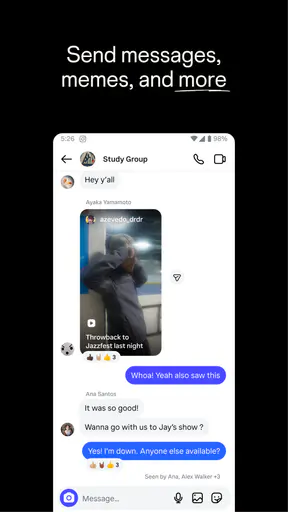
- Direct messages support private chats and group conversations.
- Built-in editing tools help polish photos and videos.
- Account controls let users manage privacy and interactions.
Cons
- The feed can encourage excessive screen time.
- Public profiles may attract unwanted attention.
- Frequent notifications can become distracting.
- Some features are limited to eligible business accounts.
- Content recommendations may feel repetitive over time.


